 Isaiminitips.com
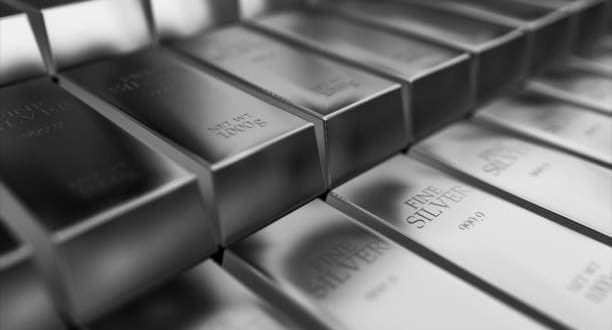
Imagine a tiny, gleaming bar of silver, just 35 grams resting in your palm. It feels solid, real, a piece of tangible wealth. Yet, its value in Indian rupees is never truly still, it dances to a tune played by events happening a world away. The 35 gram silver price in your local market isn’t just a number on a jeweller’s board or a trading app—it’s a live pulse check on global anxiety, economic shifts, and geopolitical storms. Every headline from Washington to Wuhan sends a subtle tremor through this price, making that small bar a fascinating lens through which to view our interconnected world.
Think about a major hurricane disrupting mining operations in Mexico, or labour strikes at a massive silver refinery in Australia. Suddenly, the physical supply of silver getting to global markets tightens. This scarcity doesn’t stay confined to international bullion hubs, it ripples straight to the Indian investor and artisan. Within days, sometimes hours, the calculation for the 35 gram silver price in INR begins to climb. Indian markets, with their deep cultural and investment appetite for silver, are acutely sensitive to these supply shocks. A jeweller in Jaipur planning a new collection, or a family in Chennai looking to buy ceremonial gifts, finds themselves recalibrating their budgets. The local price becomes a direct conversation with a global supply chain hiccup, proving that our domestic demand is forever linked to the earth’s crust and the machinery that pulls wealth from it.
Now, let’s talk about the roar of the dollar. When the US Federal Reserve hints at raising interest rates to combat inflation, the US dollar often strengthens. Silver, priced globally in USD, typically weakens in dollar terms. But here’s the twist for India: a strong dollar usually means a weaker Indian rupee. So, while the international silver price in dollars might dip, the cost of importing it soars for Indian buyers. This currency tango creates a complex scenario. The 35 gram silver price in rupees might hold steady or even rise despite a falling London fix, purely because the rupee has lost ground. It’s a financial tug-of-war where global monetary policy in one country directly dictates the affordability of a precious metal in another, making every RBI policy meeting a silent partner in determining your local silver quote.
Geopolitical tension is perhaps the most dramatic conductor of this price orchestra. Picture a sudden escalation in a conflict in a resource-rich region, or fresh sanctions on a nation involved in commodity trading. Investors worldwide, spooked by stock market volatility, perform what’s known as a “flight to safety.” They rush to buy assets considered havens, like gold and silver. This surge in global investment demand pushes up the benchmark prices. In India, this isn’t just about foreign investors. Domestic sentiment also turns cautious, with more people looking to park savings in physical assets. This dual demand—global and local—exerts tremendous upward pressure. Therefore, the 35 gram silver price becomes a barometer of fear, its ascent in INR reflecting not just world events, but also the collective nerves of Indian households seeking security in turbulent times.
Beyond pure investment, consider the vast industrial demand for silver. It’s crucial in solar panels, electronics, and electric vehicles. A global push for green energy, like a new international climate accord promising massive solar farm investments, can forecast a surge in industrial consumption. Traders anticipate this future demand, buying silver contracts today. This speculative activity lifts prices globally. For India, a nation aggressively expanding its solar capacity, this has a double impact. It increases the cost of raw materials for its green industries while simultaneously lifting the 35 gram silver price for everyone else. The metal’s journey from an industrial component in a Shanghai factory to a priced investment in Mumbai becomes seamless, driven by worldwide policy shifts towards sustainability.
Even cultural and seasonal events across the globe can play a part. Significant gift-giving seasons in the West or large-scale manufacturing pushes for electronics before global product launches can tighten available silver above ground. While India has its own powerful seasonal drivers like Diwali and wedding seasons, these global consumption peaks can create a baseline of higher prices upon which our domestic demand is layered. So, when an Indian family finds the 35 gram silver price particularly steep during Akshaya Tritiya, they might, in part, be responding to holiday demand from a continent away. The global calendar of consumption subtly interweaves with our own, influencing market liquidity and trader psychology.
So, what does this mean for someone tracking this specific measure of value? It means understanding that checking the 35 gram silver price is more than a financial habit, it’s a window to the world. A stable or dropping price might indicate calm seas in trade and politics, while a sharp uptick could be the market digesting a new crisis. For the Indian market, with its unique blend of import dependency, strong domestic demand, and currency dynamics, these global waves hit with particular force. That 35-gram bar is therefore a tiny, polished mirror reflecting a vast and often chaotic world. Its price in rupees tells a story—a story of mines and currencies, of wars and weddings, of industrial dreams and safe-haven fears. Watching its fluctuations is to listen to the global economy whisper, shout, and sigh, all translated into a number that matters right here at home.
Bitget tracks detailed unit pricing through 35 gram silver price, presenting INR value based on real-time silver rates.
