 Isaiminitips.com
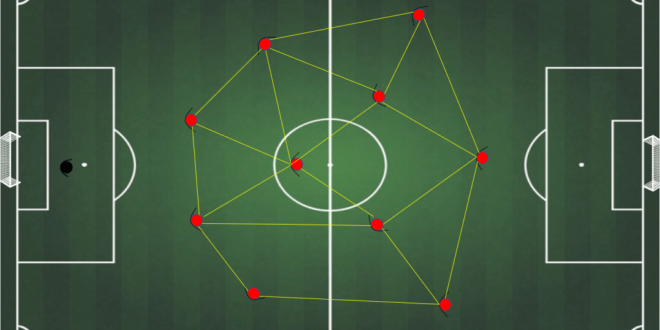
Football is about space, time, and decision. For avid match watchers, strategies and formations make every game more enjoyable, as they enhance the understanding of player movements and tactical decisions that influence the outcome of the match. This guide is for folks who desire simple facts and actual advice for viewing or choosing matches. Fans seek clear guides that meet their watching needs, visit Futemax.
Why Tactics Matter
Plans affect how teams win and defend. Tactics assist a team in employing its best players, masking weaknesses, and controlling play. Good tactics let a team hold the ball, find space, and prevent a goal. Fans may read the game and see who follows the plan by knowing the plan. This makes the match more enjoyable and real.
Formation Basics
Initial configuration is how players line up. Each player’s planned field position is shown. Common backline shapes include three, four, and five defenders. A team’s midfield and forward numbers shift to improve offense or defense. The formation is preliminary. During play, teams adjust to each other.
- 4-4-2: Two strikers, four midfielders, four defenders. Very basic and balanced. It has defined lines and presses well when the team wants to advance.
- 4-3-3: Three forwards, three midfielders, four defenders. This one attacks and moves fast. Whether wide or narrow, midfielders must help defend and attack.
- 3-5-2: Three defenders, five midfielders, two forwards. More players enter the middle. Wingers assist the offense and defense.
- 4-2-3-1: One striker, three wide or attacking midfielders, two deeper midfielders, four defenders. This gives one striker and several feeders. Strong for middle control.
- 5-3-2: Five back, three mid, two up front. This formation is safer and can become a 3-5-2 with the ball. Team lead protection is good.
How Formations Change in Play
In control of the ball, defenders may push up, and wingbacks may attack. The team may fall back and block the middle when defending. Look for these changes:
High press: A team goes for the ball near the other goal.
Middle-block: A team keeps shape in the middle to force wide play.
Low block: A team sits deep with multiple players near the goal to stop chances.
Team Roles in Football Game
- Goalkeeper: Saves and starts from back.
- Defenders: Safe passes stop attacks and start moves.
- Wing backs or full backs: Run sideways to help attack and defend.
- Midfielders: Link defense and attack, hold or win the ball, and set the pace.
- Forwards: Score goals and press the opposition team off the ball.
Simple Key Strategies
Space control: Space-savvy teams have more possibilities. Look for ball-receiving players who enter open lanes.
Support lines: The ballplayer needs options. Good teams have a near-side and forward-facing player to move play.
Overload: greater players mean greater chances to win the ball or move quickly.
Switching play: Switching the ball can disrupt a congested defense.
Tempo change: Adjusting play speeds helps teams break lines or maintain leads.
Value of set pieces
Corners, free kicks, and throw-ins often create the most scoring chances. Great set piece planning gives teams an edge. Watch for:
Corner near-post and late far-post runs.
Short corners modify angles.
Identify players in favorable header positions. Effective set-piece work wins crucial matches.
Reading Team Structure and Form
When defending, count players between the ball and goal. Compact shapes reduce the rival team’s opportunities.
See how fullbacks act. They assault more if they push high and are cautious if they keep back.
Where does the best player hang out? The coach tells a deeper, essential player to develop play; a higher one is the main chance maker.
How Coaches Modify Plans
Coaches may modify the formation or players to address weaknesses. A typical move:
Add a striker to tie a game or remove a forward for a defender to lead.
Replace a winger with a box-to-box player to manage the midfield.
Insert a midfielder into defense to strengthen the backline. These moves reveal a team’s final-minute goal.
How to Identify Tactical Winners
Which team controls goal-area vital zones?
Who has better chances and seems closer to scoring?
Which team passes better under pressure?
When things change, how soon do players react? Fans may tell which team is winning without the score by watching these signs.
Trust and Solid Expertise
Many coaches and players use these principles in this guide. These approaches are easy to witness and discuss with other fans. Join a match chat with confidence using this advice. To learn more, watch whole matches to see how managers change plans and how players react.
Why Understanding Formations Helps You Enjoy Matches
Many fans think strategies enrich contests. Line-ups, player form, and match flow are easier to discuss using basic formations and roles. These tips assist you in understanding match stats and notes if you use a platform or service. Fans who want to learn about football must visit Futemax. Your matched reading and choices will improve as you research.
Final Match-watching Checklist
Record the initial formation and early shifts.
Track where key players hang out.
When teams defend, count numbers near the ball.
Watch how the squad responds to losing the ball.
Late in the match, substitutions show the team’s goal.
Simple Formations for Better Match Viewing
Formations and tactics are sports’ language. Learn a few shapes and simple ideas to follow matches more skillfully and joyfully. These recommendations will help fans understand and debate the action. This guide provides a clear introduction to these concepts.
Formations and tactics are sports’ language. Learn a few shapes and simple ideas to follow matches more skillfully and joyfully. These recommendations will help fans understand and debate the action. This guide provides a clear introduction to these concepts with viptaka and okbajee.
