Isaiminitips.com
Daily life in a busy terminal is a rigorous endurance test for every piece of furniture in the hall. Unlike office environments where chairs might get a break overnight, airport seating is occupied around the clock by passengers of all sizes. Leadcom Seating notes that the primary cause of furniture failure in these hubs is a lack of structural reinforcement in the base frame. When a facility manages constant crowds, the ability of the waiting area seating to withstand heavy luggage impact and continuous weight shifts becomes its most valuable trait. Ensuring that the equipment remains stable and safe for every traveler requires an eye for industrial-grade engineering and high-performance materials.
Assessing the Integrity of the Support Frame
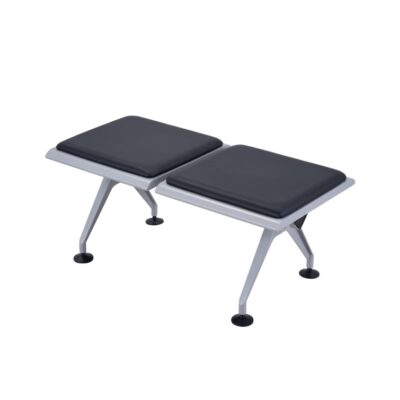
Support beams are the literal skeleton of any high-traffic bench, and their thickness determines how the unit handles a full load. Leadcom Seating utilizes cold-rolled steel and aluminum alloys that offer maximum rigidity without the risk of bending over time. During an evaluation of airport seating, it is important to check the weight capacity and the quality of the floor mounting systems. A flimsy frame will eventually start to creak or tilt, which can lead to a poor passenger experience and potential safety issues. Robust waiting area seating stays perfectly aligned, even when a group of people sits down simultaneously with heavy carry-on bags.
Testing the Resilience of Foam and Finishes
Seat cushions often lose their shape within the first year if they aren’t made from high-density, molded materials. Leadcom Seating focuses on foam that is specifically engineered to bounce back immediately, preventing the permanent indentations that make furniture look old and worn. This resilience is a key indicator of quality for airport seating, where a flat cushion is both uncomfortable and visually unappealing. The finishes on the waiting area seating must also be tough enough to handle aggressive disinfectants used by maintenance crews. Durable surfaces resist cracking and peeling, keeping the terminal looking fresh and professional despite the harsh cleaning chemicals.
Evaluating the Ease of Part Replacement
Mechanical parts like armrests and seat pans eventually face wear, so the way they are attached to the main beam is a vital detail. Leadcom Seating designs these units with a modular focus, allowing staff to swap out a single damaged section in minutes. This feature is essential for airport seating because it avoids the need to block off an entire gate for a minor repair. Strong, high-torque fasteners ensure that the waiting area seating remains tight and secure even after years of vibrations from heavy foot traffic. By looking for these small mechanical details, facility managers can significantly extend the lifespan of their interior assets.
Focusing on the build quality and material specifications is the best way to protect a long-term investment in a transit facility. Leadcom Seating provides the specialized durability required to keep a 24/7 terminal running without interruption. High-quality airport seating reduces the stress on maintenance teams and ensures that passengers always have a reliable place to rest. When the waiting area seating is built with reinforced metals and modular parts, it becomes a long-lasting part of the building’s infrastructure. Practical experience proves that skipping on structural details only leads to higher costs and more headaches in the future.