Isaiminitips.com
Unexpected machinery breakdowns threaten industrial profitability across modern polymer processing facilities worldwide. Plant managers face severe financial penalties whenever continuous extrusion lines halt due to unaddressed mechanical failures. Evaluating supplier support structures before capital equipment acquisition remains vital for safeguarding long-term operational continuity.
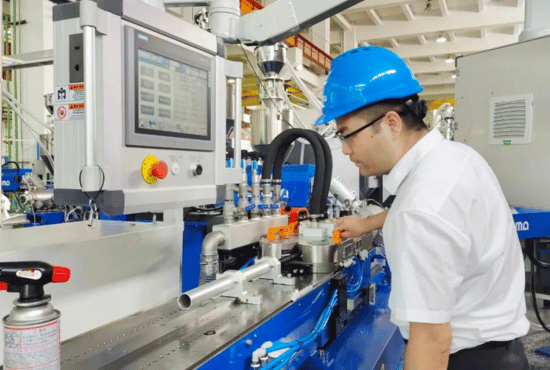
Industry leaders understand that machinery reliability extends far beyond initial engineering specifications. Service commitments dictate how swiftly manufacturing plants recover from unexpected technical anomalies during peak production cycles.
The Financial Impact of Extended Line Stoppages
Idle production lines generate compounding financial losses through wasted raw materials and missed commercial delivery deadlines. Production managers calculate hourly overhead costs that escalate rapidly during unplanned troubleshooting phases. Selecting capable extruder manufacturers ensures that technical assistance arrives before minor operational glitches escalate into major structural failures.
Supplier responsiveness directly correlates with overall factory productivity and asset utilization rates across competitive global markets. Commercial contracts frequently overlook hidden expenses associated with delayed replacement component delivery schedules. Facilities operating high-output systems require immediate diagnostic intervention to prevent thermal degradation inside heated extrusion barrels.
Experienced plant engineers prioritize vendor networks offering transparent remediation protocols over simple initial price discounts. Clear communication channels reduce costly confusion during emergency maintenance windows and minimize downtime duration.
Regional Variations in Technical Response Capabilities
Geographic separation between production plants and equipment builders introduces significant logistical hurdles during critical breakdowns. Overseas suppliers often rely on distant engineering teams, forcing extruder manufacturers to coordinate virtual support across complex time zones. Localized service offices bridge this gap by deploying resident technicians familiar with regional electrical and mechanical standards.
Evaluating response window promises requires examining exact physical proximity rather than marketing claims. Time-zone differences further complicate remote diagnostic efforts when urgent software or programmable logic controller adjustments become necessary. Established builders maintain multi-region support hubs equipped to handle emergency calls outside standard business hours.
Operational resilience improves dramatically when service personnel communicate fluently in local plant languages. Plant operators must verify whether technical help desks operate around the clock or maintain restrictive operating schedules.
Evaluating Spare Parts Logistics and Depot Networks
Component availability dictates whether a minor component replacement requires hours or weeks of waiting. Centralized factory warehouses often ship critical wear items internationally, subjecting shipments to customs clearance delays. Regional parts depots alter this dynamic by storing high-wear assemblies closer to active industrial clusters.
Smart procurement officers audit inventory levels at nearby distribution centers prior to finalizing equipment purchases. Customized machinery builds often utilize specialized components that complicate standard off-the-shelf parts replacement. Reputable partners maintain comprehensive digital inventories tracking exact machinery configurations for every delivered line.
Specialized suppliers like Dekuma ensure that replacement molds, screws, and barrels match original engineering tolerances precisely. Reliable spare parts strategies minimize inventory holding costs while guaranteeing rapid component dispatch during unexpected industrial crises.
Service Level Agreements and Contractual Protections
Ambiguous service warranties leave industrial buyers vulnerable to prolonged disputes over repair cost allocations. Comprehensive service level agreements must specify guaranteed response timeframes for both remote and on-site technical interventions. Legal counsel should review penalty clauses linked to unfulfilled support obligations before contract execution.
Clear accountability frameworks motivate equipment builders to maintain high service readiness standards. Maintenance tier structures offered by top-tier service providers define exact escalation paths for complex electrical anomalies. Transparent pricing models prevent unexpected billing surprises during emergency call-out scenarios.
Facilities benefit from partnering with an established extrusion company that provides structured maintenance agreements covering routine calibrations. Documented service histories help technical teams diagnose recurring anomalies with greater precision.
Proactive Engineering Support and Risk Reduction
Preventative maintenance programs significantly reduce the probability of catastrophic mechanical failures during peak operational cycles. Engineering teams benefit from periodic diagnostic audits conducted by factory-certified service technicians. Organizations utilizing advanced solutions from Dekuma leverage decades of specialized manufacturing expertise to optimize daily output parameters.
Regular software updates prevent obsolete control logic from causing unexpected automation halts. Operator training workshops organized during initial machine commissioning prevent many common operator-induced errors that compromise productivity. Knowledgeable staff members identify early warning signs of mechanical wear before complete component seizure occurs.
Structured skills transfer programs empower internal maintenance crews to handle routine adjustments independently. Continuous education safeguards capital investments against preventable operational damage while fostering a culture of safety.
Securing Long-Term Operational Stability
Strategic equipment selection involves balancing upfront machinery costs against long-term after-sales support reliability. Industrial buyers must weigh response time guarantees equally alongside raw extrusion efficiency and energy consumption metrics. Proven manufacturing partners like Dekuma demonstrate enduring commitment through robust customer service networks worldwide.
Sustainable manufacturing ecosystems rely on seamless cooperation between machine builders and plant operators. Industrial procurement specialists evaluating a reliable extrusion company must analyze historical spare parts fulfillment rates alongside warranty terms. Transparent communication protocols during initial negotiations establish clear expectations for future technical interventions.
Equipment builders who invest in localized engineering infrastructure consistently deliver superior uptime performance for continuous production lines. Long-term operational success depends entirely on sustained collaboration between technical buyers and responsive machinery suppliers.