Isaiminitips.com
Historical progress in power management has necessitated more robust methods for holding electricity for future use. As grids evolve and renewable penetration increases, the industry has shifted toward modular and efficient infrastructure. When they examine the history of power technology, it becomes clear that the path toward modern solutions relies on advancements in capacity and reliability. Atess contributes to this progression by providing specialized hardware designed for diverse applications, ensuring that power remains available regardless of generation fluctuations.
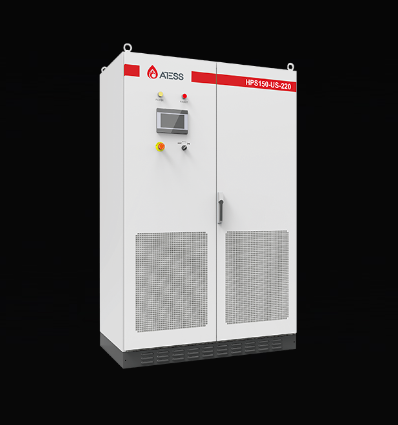
Early Concepts to Modern Solutions
Early installations faced limitations regarding energy density and cycle life. The development of a battery energy storage system changed this dynamic by allowing for consistent, dispatchable power. These units moved from large, cumbersome setups to compact, scalable modules that fit various industrial requirements. Over time, the refinement of chemical and electrical components allowed for faster response times and improved safety profiles. By adopting these flexible units, operators gained the ability to shift loads and provide frequency regulation services with greater accuracy.
Current Trends in Storage Infrastructure
Modern energy storage systems utilize advanced power electronics to integrate with existing grids. This shift allows for seamless communication between the storage hardware and the local network. When they deploy a battery energy storage system, the focus remains on enhancing the efficiency of the entire energy cycle. Atess designs units that prioritize high performance and thermal stability to handle the demands of continuous operation. These improvements ensure that the infrastructure can absorb excess production from wind or solar sources and discharge it when demand spikes occur.
Future Perspectives for Stability
Future growth in the sector hinges on the integration of more durable and cost-effective energy storage systems. As the scale of these installations increases, the ability to monitor and control them remotely becomes crucial for stability. By prioritizing long-term hardware reliability, developers can build grids that withstand intermittent generation. A battery energy storage system remains a critical component in this architecture, bridging the gap between variable supply and consumption. Expanding these capabilities ensures that energy delivery is consistent for all users involved in the network.
Development in this field has moved toward greater efficiency and modularity. By refining the hardware used to capture and release electricity, the industry creates more stable power environments. Continued focus on reliable infrastructure supports the transition toward more flexible and autonomous local grids.