 Isaiminitips.com
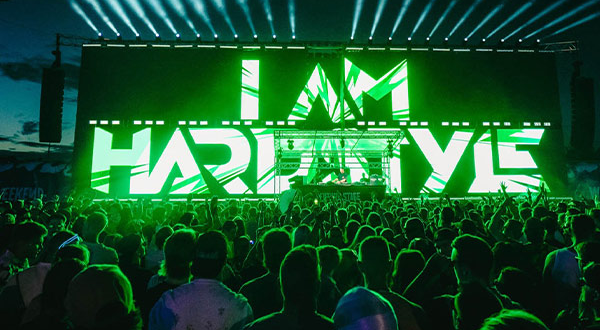
Back-row clarity begins with audience geometry and content discipline. A clear image for the back row begins with audience geometry rather than a single pixel-pitch figure. Screen height, dimensions, contrast, content scale, viewing angle, and camera use all contribute.
YES TECH offers relevant products, while venue geometry, viewing distance, structure, ambient conditions, cameras, local rules, and qualified engineering determine the final choice for designing clear images for every seat.
For designing clear images for every seat, precise use of large LED display rental, LED video wall rental, and indoor LED screen rental prevents product selection from drifting away from the actual show requirement.
A successful plan for designing clear images for every seat carries creative intent through every working stage, beginning at the dock and ending in the truck. The result should be tested in the final seating arrangement before the plan becomes fixed.
Audience Geometry Comes Before Pixel Pitch
The screen position, elevation, width, audience rake, side seating, floor layout, and nearest viewer define the real visual problem. A large surface can still fail the back row if performers block it, scenic elements interrupt it, or content relies on details that disappear at distance.
For designing clear images for every seat, one display decision can change structure, access, timing, or content because pixel pitch alone cannot correct poor sightlines, low contrast, or unsuitable screen height.
Before approving large LED display rental, the audience-experience team should compare the designing clear images for every seat layout and build sequence. A separate check should establish how crews reach the system, where inspections occur, and what structural allowance survives the designing clear images for every seat load.
In the designing clear images for every seat plan, consistent evidence makes adaptation safer without forcing the entire production to start again. Sightline studies should test representative seats rather than only the front-of-house position.
The production can then allocate live camera images, text, graphics, and scenic texture according to the size and contrast required in each audience zone. Later inspections and recovery decisions can use the result recorded by the audience-experience team.
Back-row clarity begins with screen height, dimensions, sightlines, and content scale before the team chooses a pixel pitch. The audience-experience team should review LED video wall rental against the actual designing clear images for every seat configuration and working order.
Maintenance movement should be tested on the final designing clear images for every seat arrangement; any residual allowance still needs its own confirmation. The audience-experience team can then separate a product limitation from a correctable site condition.
Before another build, the audience-experience team should document assumptions, responsibility, inspection tasks, and the criteria used to accept designing clear images for every seat. Within designing clear images for every seat, this approach prevents a convenient specification from replacing the actual production objective.
Brightness and Processing Protect Legibility
YES TECH‘s Mega Series lists 5,000-nit brightness, a 5,000:1 contrast ratio, 16-bit grayscale, at least 7,680 Hz refresh, and 160 by 120-degree viewing angles. These figures support outdoor visibility, tonal control, camera capture, and broad coverage, although calibration and show-day brightness settings remain decisive.
The audience-experience team should review indoor LED screen rental against the actual designing clear images for every seat configuration and working order. This detail helps the audience-experience team preserve both the image and the planned working sequence.
Within designing clear images for every seat, this comparison should be completed while there is still time to change equipment, method, or scope. Pitch options of 3.91, 4.63, and 5.68 mm should be matched to the closest viewing position and total screen dimensions.
An indoor LED screen rental system may operate at lower brightness than an outdoor system, but it still needs consistent color, black level, processing, and camera coordination. For all-seat viewing design, site approval should cover the proposed form, technician movement, inspection obligations, and the hours available for the build.
Later crews need a concise account of the decisions and tests that established clear images for every seat. From the audience-experience team’s perspective, clear limits preserve both the intended image and the time reserved for safe installation and testing.
Curvature and Content Extend the Useful View
Mega’s 500 by 1000 mm cabinets splice horizontally, vertically, or through plus or minus 10-degree curves. A curved LED video wall rental can aim more of the image toward side sections, while separated surfaces may give different seating zones clearer views of performers or content.
From the audience-experience team’s perspective, a distinctive image loses value when its assembly depends on undocumented knowledge or an unusually favorable schedule. For large LED display rental, site approval should cover the proposed form, technician movement, inspection obligations, and the hours available for the build.
The audience-experience team should not approve designing clear images for every seat until controlled tests show that the method stays within its written limits. The system also supports hanging up to 25 m, reinforced wind bracing, IP65 protection, hanging or stacking, and dolly transport.
A large LED display rental system serves every seat when structural placement, screen geometry, content scale, brightness, camera feeds, and audience testing form one all-seat viewing design.
A dependable designing clear images for every seat plan exposes hidden dependencies while changes are still affordable and safe. The audience-experience team can test LED video wall rental by timing the build, confirming technician access, recording inspection results, and checking the remaining allowance.
The handover should explain which choices and verification results defined the accepted audience-viewing configuration. For designing clear images for every seat, that discipline converts a useful product feature into a dependable capability for the production.
