Isaiminitips.com
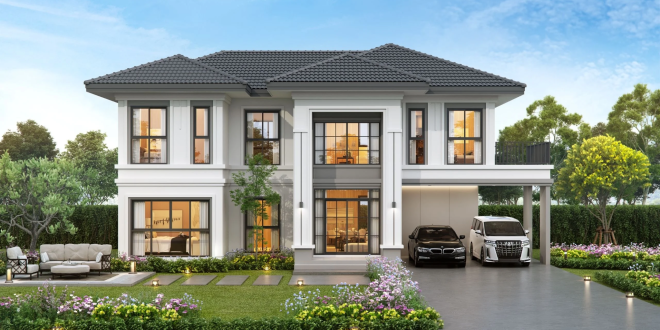
A custom home is often described as a dream project, but in reality, it is much more than that. It is a major life decision shaped by personal taste, long-term planning, financial commitment, and the hope of creating a space that truly fits the way a family wants to live. While many people focus on the visible result—the architecture, the finishes, the layout, and the overall luxury—the real success of a custom home usually depends on what happens long before construction begins.
The strongest homes are not created by chance. They are the result of careful listening, thoughtful design development, realistic planning, and disciplined execution. A beautiful home may look effortless when completed, but the path to that outcome is rarely simple. Every successful build relies on hundreds of decisions being made well, often in the early stages when the future home still exists only as an idea.
That early stage is where the process matters most. Before drawings become detailed plans and before materials are selected, homeowners need clarity. They need to understand what they want their home to feel like, how they want it to function, and what priorities should guide the entire project. Some families dream of bright, open living spaces where they can gather easily. Others prioritize quiet privacy, practical storage, separate work areas, or flexible rooms that can evolve over time. A custom home should respond to those real needs rather than simply follow a trend.
This is why a successful building journey often begins with questions rather than answers. A capable home builder does not rush to present fixed solutions too early. Instead, they take time to understand the client’s lifestyle, future plans, design preferences, and expectations for both quality and comfort. That foundation allows the home to be shaped with more purpose from the very beginning.
It also helps avoid one of the most common problems in residential construction: a disconnect between the vision and the build. Many projects look promising in the concept stage but lose coherence once technical limitations, cost concerns, or site realities come into play. When the planning phase lacks depth, homeowners often face revisions, delays, or compromises that could have been prevented earlier. In contrast, a well-managed custom home project connects vision, practicality, and execution into one continuous process.
That continuity is especially important in high-value residential projects, where design is only one part of the overall experience. The real value comes from how well the builder translates ideas into a finished home that feels complete, functional, and lasting. This is why many homeowners prefer working with a trusted company for custom home building rather than treating design and construction as separate priorities. A well-coordinated team is better equipped to protect the integrity of the original concept while also guiding the homeowner through real-world decisions about materials, schedules, cost control, and construction quality.
Another key factor in creating an exceptional custom home is balance. The most impressive homes are not always the largest or the most elaborate. In many cases, they are the ones where every part feels intentional. Proportions are well considered. Circulation feels natural. Light is used intelligently. Materials work together. Private and shared spaces are arranged in ways that support real daily life. That kind of balance requires restraint, judgment, and experience.
It also requires strong collaboration between design and construction teams. A home that looks refined on paper still needs to be buildable in practice. Structural considerations, engineering systems, site conditions, and material performance all influence what is possible. When these factors are addressed early and clearly, the project tends to move more smoothly and the final result feels more coherent. When they are not, quality often suffers.
Project management plays an equally important role. Homeowners do not simply need a beautiful end result; they also need a process they can trust. Construction can become stressful very quickly when communication is inconsistent, responsibilities are unclear, or schedules shift without explanation. Strong project management creates structure around the build. It gives homeowners visibility into timelines, milestones, decisions, and progress. That visibility reduces uncertainty and helps the entire experience feel more stable.
This is particularly valuable in custom home building, where every detail carries weight. A small decision about layout, window placement, storage, or finishes can have a lasting effect on how the home feels for years to come. Good builders understand that these choices are not minor at all. They know that quality comes from consistency across the whole project, not from isolated moments of excellence.
Durability is another defining trait of a truly exceptional home. A custom residence should not be designed only for immediate visual impact. It should continue performing well over time, both structurally and functionally. That means choosing materials carefully, paying attention to workmanship, and designing spaces that can adapt to future life changes. A home built with long-term thinking tends to offer more comfort, stronger value, and greater peace of mind.
In the end, what makes a custom home exceptional is not just luxury, scale, or style. It is the quality of thought behind it. It is the ability to take personal goals, practical requirements, and architectural ideas and shape them into a home that feels deeply considered from start to finish. That kind of result does not come from shortcuts. It comes from process, discipline, and the willingness to get the important details right.
A well-built custom home should feel personal without being impractical, elegant without being excessive, and timeless without feeling generic. It should reflect the people who live in it while also supporting the realities of everyday life. When those elements come together, the home becomes more than a completed project. It becomes a place of long-term comfort, confidence, and meaning.
That is why the best custom homes begin long before construction. They begin with clarity, with listening, and with a builder who understands that creating a home is not just about assembling materials. It is about shaping the setting for life itself.