 Isaiminitips.com
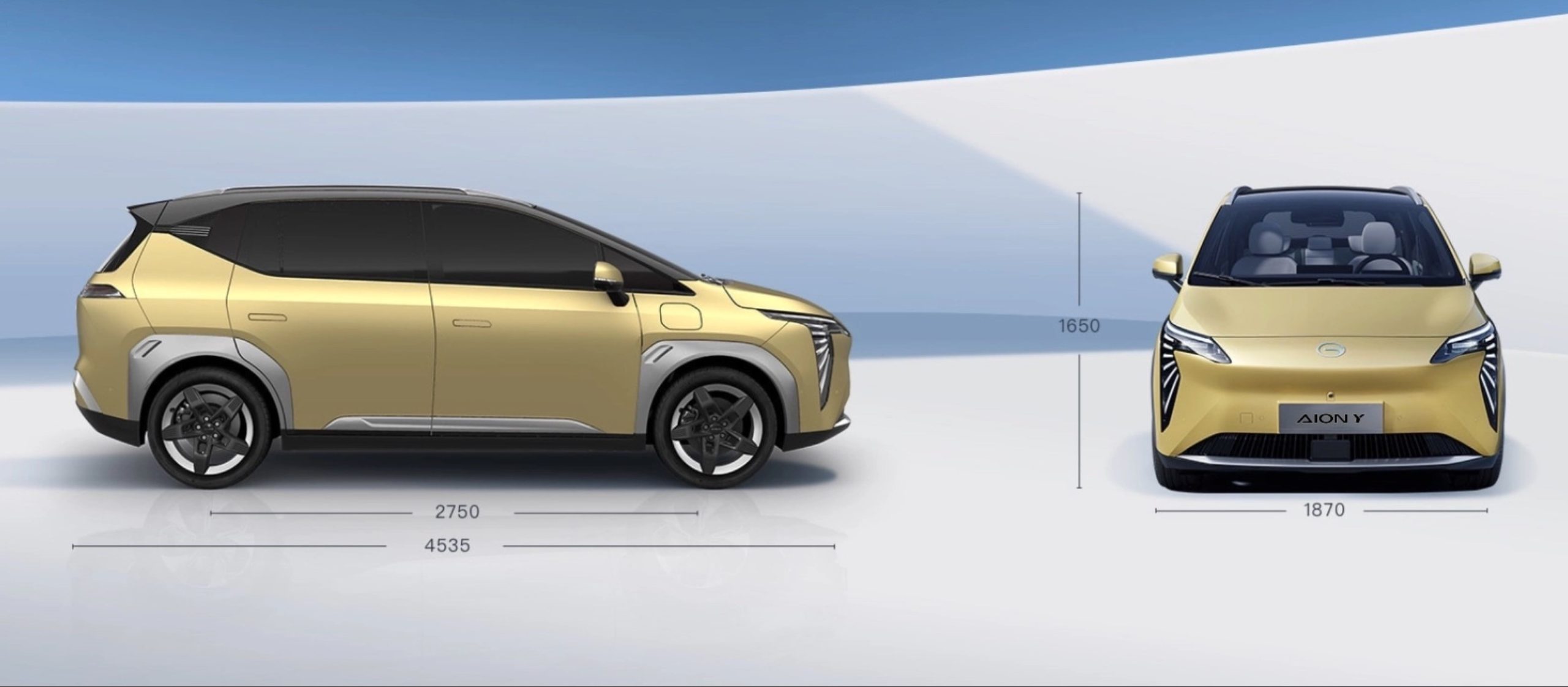
In the world of automobiles, electric vehicles (EVs) are quickly becoming renowned not just for their environmental benefits but also for their exceptional performance capabilities. One such standout is the GAC AION Y, which combines sustainable driving with powerful performance. Before diving into the specifics of this model, it’s essential to understand the underlying technology that powers electric engines and sets them apart from traditional internal combustion engines.
Understanding the Electric Engine
Electric engines, or electric motors, are at the core of what propels every electric vehicle forward. Unlike internal combustion engines that burn fuel to create power, electric motors convert electrical energy into mechanical energy. Here’s a breakdown of how this process works:
The Basics of Electric Motors
Electric motors operate on the principle of electromagnetic induction. When electric current passes through a loop or coil within a magnetic field, it induces a force that causes the coil to spin. This spinning motion is what drives the motor.
Components of Electric Motors
Stator: The stator is the stationary part of the motor that includes electromagnets or permanent magnets that create a magnetic field.
Rotor: The rotor is the rotating part inside the stator, which is affected by the magnetic field. The interaction between the stator’s magnetic field and the electric current in the rotor results in torque, which makes the rotor spin.
Commutator: In some types of motors, a commutator reverses the direction of the current to keep the rotor spinning. However, many modern EVs use AC motors that do not require a commutator.
Controller: This is the component that regulates the amount of power delivered to the motor, affecting how fast or slow the motor spins.
Advantages of Electric Motors in EVs
Efficiency: Electric motors are more efficient than internal combustion engines in converting energy into vehicle movement.
Torque: Electric motors deliver maximum torque at very low speeds, which results in rapid acceleration from a standstill.
Simplicity: With fewer moving parts, electric motors typically require less maintenance and are more reliable over time.
Delving into the Power of the GAC AION Y
The GAC AION Y showcases the incredible potential of electric motors in delivering powerful and efficient performance. Equipped with a motor that has a maximum output of 150 kW and a peak torque of 225 N.m, the AION Y provides a driving experience that rivals that of a 2.0T gasoline engine.
Performance Highlights of the AION Y
Rapid Acceleration: This AION car can accelerate from 0 to 50 km/h in just 4.1 seconds. This quick acceleration is characteristic of electric vehicles, thanks to the instant torque provided by the electric motor.
Energy Conservation: Despite its powerful performance, the AION Y remains efficient, utilizing its energy to maximize output without the wasteful byproducts of combustion engines.
Smooth Operation: The seamless delivery of power ensures a smooth ride, devoid of the jerks and shifts typical in conventional vehicles with manual transmissions.
Conclusion
The GAC AION Y is a prime example of how advanced electric engine technology can fulfill the need for speed and power while adhering to eco-friendly principles. By harnessing the capabilities of electric motors, the AION Y not only competes with but exceeds the performance metrics of traditional gasoline-powered vehicles, offering drivers a powerful, responsive, and sustainable driving experience. This makes the AION Y an attractive choice for those looking to combine performance with environmental responsibility.
