Isaiminitips.com
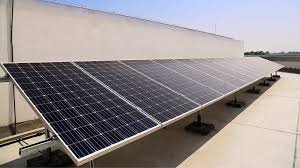
Solar panel efficiency is a critical factor that determines how effectively a solar energy system converts sunlight into usable electricity. This efficiency is typically expressed as a percentage, representing the ratio of the electrical output of a solar panel to the amount of sunlight energy it receives. For example, a solar panel with an efficiency rating of 20% converts 20% of the sunlight hitting the panel into electricity, while the remaining 80% is lost as heat or reflected away.
Solar panel efficiency varies based on several factors, including the type of technology used, the quality of materials, and environmental conditions. The most common types of solar panels are monocrystalline, polycrystalline, and thin-film. Monocrystalline panels achieve high efficiency rates, often exceeding 20%, due to their single-crystal structure that enables better electron flow.
Polycrystalline panels generally achieve efficiencies of around 15-17% and are more affordable and easier to manufacture than monocrystalline panels. Thin-film panels are lightweight and flexible, with typical efficiencies ranging from 10-12%, and are often preferred in applications where weight and space constraints are important considerations.
For consumers and businesses evaluating solar technology investments, such as a Tesla Powerwall, understanding these differences is important, as higher efficiency panels can generate greater energy output and potentially reduce long-term costs.
Choosing the Right Location for Solar Panels
The location of solar panels plays a pivotal role in their overall performance and energy output. When selecting a site for installation, several factors must be considered, including sunlight exposure, shading from nearby structures or trees, and geographical orientation. Ideally, solar panels should be installed in areas that receive direct sunlight for the majority of the day.
South-facing rooftops or open fields with minimal obstructions are often the best choices, as they maximize exposure to sunlight throughout the year. In addition to sunlight exposure, local climate conditions can significantly impact solar panel performance. Regions with frequent cloud cover or heavy rainfall may experience reduced energy production compared to sunnier locales.
However, advancements in solar technology have made it possible for panels to generate electricity even in less-than-ideal weather conditions. For instance, some modern solar panels are designed to perform efficiently in low-light environments. Therefore, while choosing a location, it is essential to consider both the average annual sunlight hours and the specific weather patterns that may affect energy generation.
Optimizing Solar Panel Angle and Tilt
The angle and tilt of solar panels are crucial for maximizing their exposure to sunlight throughout the day and across different seasons. The optimal tilt angle varies depending on geographical location and the time of year. In general, solar panels should be tilted at an angle that is approximately equal to the latitude of the installation site for maximum annual energy production.
For example, if a location has a latitude of 30 degrees, setting the panels at a 30-degree angle can enhance their efficiency. Seasonal adjustments can further optimize energy capture. During winter months when the sun is lower in the sky, increasing the tilt angle can help capture more sunlight.
Conversely, during summer months when the sun is higher, a lower tilt angle may be more effective. Some solar panel systems incorporate adjustable mounts that allow users to change the angle seasonally, thereby maximizing energy production throughout the year. This adaptability can lead to significant increases in overall energy output and efficiency.
Utilizing Tracking Systems for Maximum Sun Exposure
Solar tracking systems are advanced technologies designed to enhance the performance of solar panels by allowing them to follow the sun’s path across the sky. These systems can be classified into two main types: single-axis trackers and dual-axis trackers. Single-axis trackers rotate on one axis, typically oriented north-south, enabling panels to tilt toward the sun as it moves from east to west throughout the day.
This adjustment can increase energy production by 25-35% compared to fixed installations. Dual-axis trackers offer even greater efficiency by allowing panels to adjust both vertically and horizontally. This capability enables them to maintain optimal alignment with the sun’s position throughout the year, accounting for seasonal changes in sun elevation and azimuth.
While tracking systems can be more expensive than fixed installations due to their mechanical components and installation complexity, they can yield substantial returns on investment through increased energy generation. For large-scale solar farms or commercial installations where maximizing output is critical, tracking systems can be a game-changer.
Keeping Solar Panels Clean and Well-Maintained
Regular maintenance and cleaning of solar panels are essential for ensuring optimal performance and longevity. Dust, dirt, bird droppings, and other debris can accumulate on the surface of solar panels, obstructing sunlight and reducing their efficiency. In regions with minimal rainfall or high levels of dust, it may be necessary to clean panels more frequently—potentially every few months—to maintain peak performance.
Cleaning methods vary depending on the installation’s location and accessibility. For residential systems, homeowners can often use a soft brush or sponge with water to gently remove dirt without scratching the panel surface. In contrast, larger commercial installations may require professional cleaning services equipped with specialized tools and equipment to safely clean panels at height.
Additionally, regular inspections should be conducted to check for any signs of damage or wear in wiring or mounting systems. Addressing these issues promptly can prevent more significant problems down the line and ensure that solar panels continue to operate efficiently.
Using Energy Storage Solutions
Energy storage solutions play a vital role in maximizing the benefits of solar energy systems by allowing users to store excess electricity generated during peak sunlight hours for use during periods of low production or high demand. Battery storage systems have gained popularity as they enable homeowners and businesses to utilize solar energy even when the sun isn’t shining. This capability not only enhances energy independence but also provides a buffer against fluctuating electricity prices.
Lithium-ion batteries are among the most common types used in residential solar storage systems due to their high energy density and efficiency. These batteries can store significant amounts of energy and discharge it when needed, making them ideal for evening use or during power outages. Additionally, advancements in battery technology continue to improve storage capacity and reduce costs, making them increasingly accessible for consumers.
Integrating energy storage with solar panel systems allows users to optimize their energy consumption patterns and reduce reliance on grid electricity.
Investing in High-Quality Solar Panels and Components
When considering a solar energy investment, selecting high-quality solar panels and components is paramount for ensuring long-term performance and reliability. The market offers a wide range of products with varying efficiencies, warranties, and price points; therefore, thorough research is essential before making a purchase decision. Reputable manufacturers often provide warranties ranging from 25 years for performance guarantees to 10 years for product defects, reflecting their confidence in their products’ durability.
In addition to panels themselves, other components such as inverters play a crucial role in system performance. Inverters convert direct current (DC) generated by solar panels into alternating current (AC) used by most household appliances. High-quality inverters not only improve energy conversion efficiency but also come equipped with advanced monitoring features that allow users to track system performance in real-time.
Investing in reliable components ensures that the entire system operates optimally over its lifespan, ultimately leading to better returns on investment.
Monitoring and Analyzing Solar Panel Performance
Monitoring and analyzing solar panel performance and solar battery storage is essential for maximizing energy production and identifying potential issues early on. Many modern solar systems come equipped with monitoring software that provides real-time data on energy generation, consumption patterns, and system health. This information allows users to track how much electricity their system produces daily or monthly and compare it against expected outputs based on weather conditions and historical data.
Regular analysis of performance data can help identify trends or anomalies that may indicate underlying problems with the system. For instance, if energy production suddenly drops without an apparent cause—such as cloudy weather—this could signal an issue with one or more components that require attention. By proactively monitoring performance metrics, users can ensure that their solar systems operate at peak efficiency and address any concerns before they escalate into costly repairs or downtime.
Furthermore, many monitoring solutions offer alerts or notifications when performance deviates from expected levels, providing an additional layer of oversight for system owners. In conclusion, understanding various aspects of solar panel efficiency—from choosing the right location and optimizing angles to maintaining cleanliness and investing in quality components—can significantly enhance overall system performance. By leveraging advanced technologies such as tracking systems and energy storage solutions while actively monitoring performance metrics, users can maximize their return on investment in solar energy systems while contributing positively to environmental sustainability.