 Isaiminitips.com
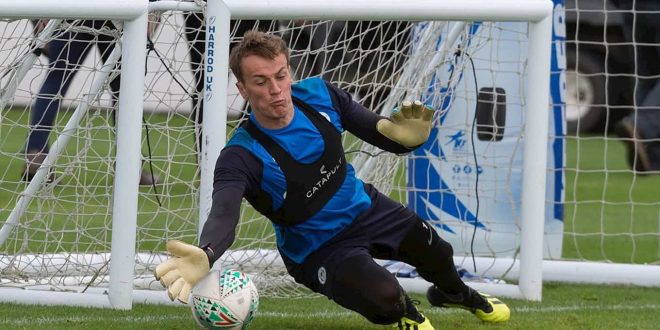
Selecting the perfect soccer goal must be thoroughly researched. This is a training essential. The right equipment can help develop skills. Coaches and program managers are always looking for the best goal for training. Even those who are setting up a backyard training area need to have the perfect soccer goals.
Training goals should be durable. Make sure that it matches the training needs. Choose the ideal soccer goal for training by considering these factors.
The Right Size for Training
Soccer goals come in different sizes. You do not always need a full regulation size. Smaller goals are recommended for training. Always match the goal size to the age group and training purpose. Here’s a guide to follow:
- Mini Goals. Best for training or backyard setup.
- Youth (U6 – U8). For beginners ,focusing on basic coordination skills.
- Youth (U9 – U10). For players learning teamwork.
- Youth (U11 – U12). For pre-teens with advanced soccer skills.
- Youth (U13 – U19). For teens in competitive league games.
- Full-Size: Adult or professional competitive matches.
Choose a Portable Version
This is best if training needs to be done in different locations. Portable soccer goals are convenient. You should be able to move the soccer goal around the field. Portable soccer goals are highly sought-after. They are ideal for training. Consider the following first:
- Lightweight materials.
- Foldable or pop-up goals.
- Easy assembly.
- Easy to maintain.
Prioritize Material Quality
Soccer goals that are made of durable materials last longer. Expect to use this more frequently. That is why it should withstand repeated impact from training drills. Choose goals made from sturdy materials.
- Aluminum Frames. This is lightweight and durable.
- Steel Frames. Maximum durability for long-term use.
- Rust-resistant Frames. For outdoor use.
Focus on the Safety Features
This is critical in any training environment. You do not want to buy soccer goals that can easily tip over. This can lead to injuries. Always choose goals that come with reliable anchoring systems. This is a must, even for portable goals. It should be properly secured during use.
The following can help minimize risk:
- Smooth edges
- Stable frames
- Secure net attachments
Check the Net
The net plays a vital role in training. Choose high-quality materials. The most recommended are polyethylene or nylon. These can withstand powerful shots. It will not easily wear from repeated use.
Additionally, proper net depth is crucial. This ensures the ball is caught properly. You need deeper nets to help mimic real match conditions. Make sure the net is easy to replace as it is part of goal maintenance.
Consider the Long-term Value
Budget should always be considered when choosing a soccer goal. It is crucial to invest in quality training goals. Still, make sure that you can save money over time. There are cheaper models out there. However, they are always not the best when it comes to durability.
You need durable goals even if they may cost more initially. You are after its long-term reliability. Consider how often this will be used. Choose one that aligns with training needs.
Conclusion
Choosing the perfect soccer goal for training requires thorough research. Consider the factors above to help you decide. Create an effective training environment. The right training goal makes your practice sessions more effective.
FAQs
What size soccer goal should I buy?
The right size depends on the players’ age group. Also consider its intended use.
Portable vs. permanent soccer goal – which is best to use?
Always consider how often you will need to move or store the goal.
- Portable goals – ideal for training and multi-use fields.
- Permanent goals – recommended for dedicated soccer fields and competitive play.
What material is best for a soccer goal?
- Steel – maximum durability.
- Aluminum – lightweight and rust-resistant.
- PVC – affordable for recreational use.
