 Isaiminitips.com
High-Density Polyethylene (HDPE) pipes are increasingly becoming the go-to choice for a vast array of infrastructure projects, particularly those involving water supply and sewage systems. Known for their robustness and flexibility, HDPE pipes offer several advantages that make them superior to traditional materials like concrete or metal. In this blog, we explore what exactly HDPE is, how it’s manufactured, and why it stands out as a material of choice in modern piping solutions.
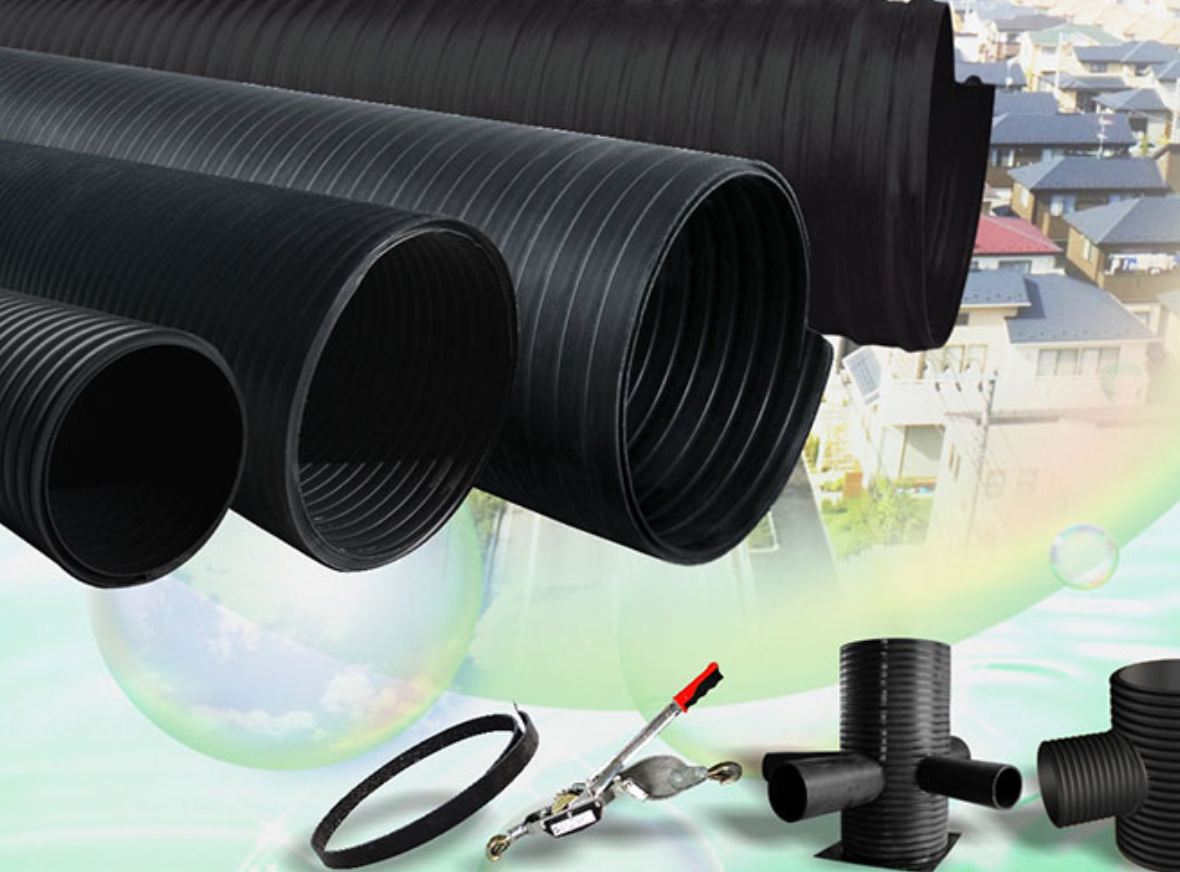
What is HDPE?
High-Density Polyethylene, or HDPE, is a type of thermoplastic polymer made from the monomer ethylene. It’s produced through a process known as polymerization, where ethylene molecules are bonded together under pressure and high temperatures in the presence of catalysts. This process forms long chains of polyethylene, which are densely packed to create a material that is both strong and light.
Manufacturing HDPE Pipes
The manufacturing of HDPE pipes involves several key steps that ensure their strength, flexibility, and durability:
- Resin Production
HDPE is first produced as small pellets or granules of resin. These pellets are the raw material used to manufacture pipes and contain stabilizers and additives that improve the material’s properties.
- Extrusion
The resin pellets are then fed into an extruder, where they are melted at high temperatures. Once molten, the HDPE is forced through a die to form pipes of various diameters and thicknesses.
- Cooling and Solidification
After extrusion, the pipes are cooled in a water bath or through mist sprayers to solidify the shape. This cooling process is crucial as it determines the structural integrity and dimensional stability of the pipes.
- Cutting and Quality Control
Finally, the pipes are cut to desired lengths and undergo rigorous quality control tests to ensure they meet industry standards and specifications.
Properties and Benefits of HDPE Pipes
HDPE pipes are favored for their unique properties, including:
– Corrosion Resistance: Unlike metal pipes, HDPE does not rust, corrode, or degrade over time.
– Leak-Proof: The flexibility of HDPE allows for the use of heat fusion joining, creating a monolithic, leak-proof system.
– Chemical Resistance: HDPE is resistant to many different solvents, making it ideal for transporting not only water but also various chemicals.
– Durability: HDPE can withstand harsh environmental conditions, including UV radiation, extreme temperatures, and physical impacts.
– Flexibility: Unlike rigid pipe systems, HDPE can adapt to shifts in the ground or fluctuations in terrain, reducing the likelihood of pipe breakage.
Conclusion
In conclusion, HDPE pipes represent a significant advancement in piping technology. Their robustness, coupled with excellent chemical and environmental resistance, makes them an ideal choice for modern infrastructure needs. With companies like LESSO at the forefront, users can be assured of accessing some of the best HDPE piping solutions available on the market today.
